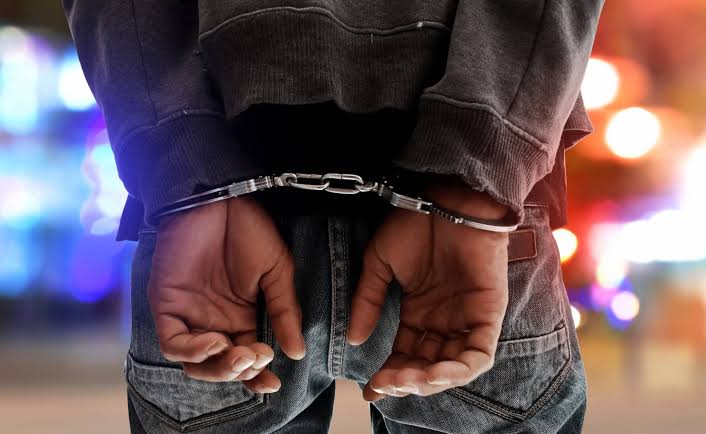
Being charged with a crime is one of the most stressful experiences anyone can face. In the chaos and fear that follow, even intelligent, well-meaning people make critical errors that can haunt them for years. As one defense attorney explains, "People frequently make statements in the immediate aftermath of arrest under duress, confusion, or fear. These statements can later be used to undermine their credibility at trial" .
This guide identifies the 12 most common mistakes defendants make after being charged—and shows you how to avoid them. From the moment of arrest through trial, your actions can mean the difference between conviction and dismissal.
Talking without counsel
Social media posts
Missing court dates
Quick plea deals
12 Critical Mistakes That Can Destroy Your Defense
Talking to Police Without a Lawyer
"One of the biggest mistakes is speaking to the police without an attorney present. Anything you say can be used against you in court, even if you believe you're being helpful" .
Posting on Social Media
"Discussing your case or sharing details publicly can be harmful for several reasons. Prosecutors and law enforcement officials often review social media profiles for evidence or contradictions in your story" .
Missing Court Dates
"Failing to show up for scheduled court appearances can lead to a warrant for your arrest and more severe penalties" .
Accepting a Plea Deal Too Quickly
"Prosecutors may offer plea deals early in the process, but accepting a deal without consulting an experienced attorney could mean forfeiting your chance for a better outcome" .
Hiring the Wrong Attorney
"Many people make the mistake of hiring the first lawyer they find, often basing the decision on price alone. Choosing an attorney who lacks the right experience... can lead to poor representation" .
Not Gathering Evidence
"Often, clients assume that the police or prosecution will gather all necessary evidence. However, it's crucial that you or your attorney actively gather evidence in your favor" .
Violating Bail Conditions
"Failing to fully understand and comply with bail conditions can lead to re-arrest and further complications in your case" .
Talking to the Media
"Engaging with the media is another critical area where many individuals facing criminal charges make mistakes. While it may be tempting to tell your side of the story to the public, speaking to the media without strategic planning and legal guidance can backfire dramatically" .
Contacting Witnesses
"Attempting to contact complainants or witnesses is a severe mistake. This can be construed as tampering with witnesses, leading to additional charges" .
Allow your lawyer to handle all communications related to the case, including interactions with witnesses and the prosecution .
Relying on Google, Not a Lawyer
"Google Is Not Your Lawyer. It's not just that legal advice online is generic—it's that acting on myths and misinformation can actively make your situation worse" .
Underestimating Federal Charges
"Federal criminal charges are very different from state charges. The punishments are usually much more serious" .
Losing Hope & Motivation
"Facing criminal charges can be an emotionally draining experience that might affect your motivation and mental health. Maintaining a positive outlook and actively participating in your defence is essential" .
Bail Violations: A Fast Track to Re-Arrest
Re-Arrest
Credibility
Bail Revocation
Critical step: Discuss the terms of your bail with your lawyer and make sure you understand what is required of you .
Dangerous Myths That Lead Defendants Astray
Preserving Evidence: A Client's Critical Responsibility
"In federal cases, strong evidence is often what convinces a judge or jury that you're not guilty. If you don't save important evidence, like messages, clothes, photos, or anything else that helps your case, or if you wait too long to collect things like security videos, witness statements, or electronic records, it can really damage your defense" .
Photos/Videos
Messages
Clothing
Location Data
Witness Contacts
Time-Stamped Records
Federal vs. State: The Stakes Are Higher
Federal criminal charges are fundamentally different from state charges, with much more serious consequences .
Federal cases that go to trial
Resolved by plea deal
The Psychology of Post-Arrest Statements
Recognizing the psychological reality of arrest is critical to ensuring fair trial procedures. Courts have not always adequately accounted for the psychological impact of post-arrest stress .
For Professionals: The Career Impact
Professionals facing criminal charges face unique risks:
"Federal criminal charges are extremely stressful, and they can leave you and your family unsure of what will happen next. When your freedom and future are at risk, you need to understand your rights and your choices so you can make the best decisions possible" .
How to Choose the Right Criminal Defense Attorney
- Don't base decision on price alone — The cheapest option often costs more in the long run .
- Look for experience in similar cases — A civil lawyer isn't equipped for criminal defense .
- Check track record — Success in cases like yours matters .
- Ensure they know local prosecutors and judges — This insider knowledge can be invaluable.
- Verify they have time for your case — Overworked public defenders may not give your case the attention it deserves .
"A skilled criminal defense lawyer understands the legal system and can protect your rights. Without proper legal counsel, you may miss deadlines or fail to challenge evidence, damaging your defense" .
Critical Timeline: What Happens After a Charge
First 24-48 hours. Invoke right to remain silent and ask for an attorney immediately .
Within 48-72 hours. Ensure you understand all bail conditions. Violation can lead to re-arrest .
First court appearance where charges are formally read. Do not accept plea deals without counsel .
Critical window to gather evidence. Work with your attorney to preserve messages, photos, witness statements .
Deadline to file motions to suppress evidence. Missing deadlines can waive key rights .
Only 2% of federal cases go to trial. Most resolve through plea negotiation .
Don't Let Fear Dictate Your Future
Facing criminal charges is overwhelming, but the mistakes you make in the early stages can have long-lasting consequences . Key takeaways:
- Don't talk to police without a lawyer — Anything you say can and will be used against you .
- Stay off social media completely — Prosecutors monitor accounts for evidence .
- Never miss court dates — Bench warrants and enhanced penalties await .
- Don't rush plea deals — First offers are rarely the best outcome .
- Preserve all evidence immediately — Security footage disappears, witnesses forget, messages get deleted .
- Understand your bail conditions — Even accidental violations can lead to re-arrest .
As one defense attorney powerfully states: "Your future deserves better than guesswork" . If you've been charged with a crime, consult an experienced criminal defense attorney immediately. The right lawyer will protect your rights, guide you through every step, and fight for the best possible outcome .